Padina–Peștera · Bucegi · Romania · 45°24′ N 25°26′ E · 1 546 m
Explore the Carpathians
01 / 08 · Pick a trail
The Carpathians are not a park with an entrance gate. They are a working mountain range — 1 500 km of forest, meadow and rock where bears still outnumber tourists in most valleys. This page is the long answer to the question we get most: what's actually up there?
The wild
Europe's last big forest
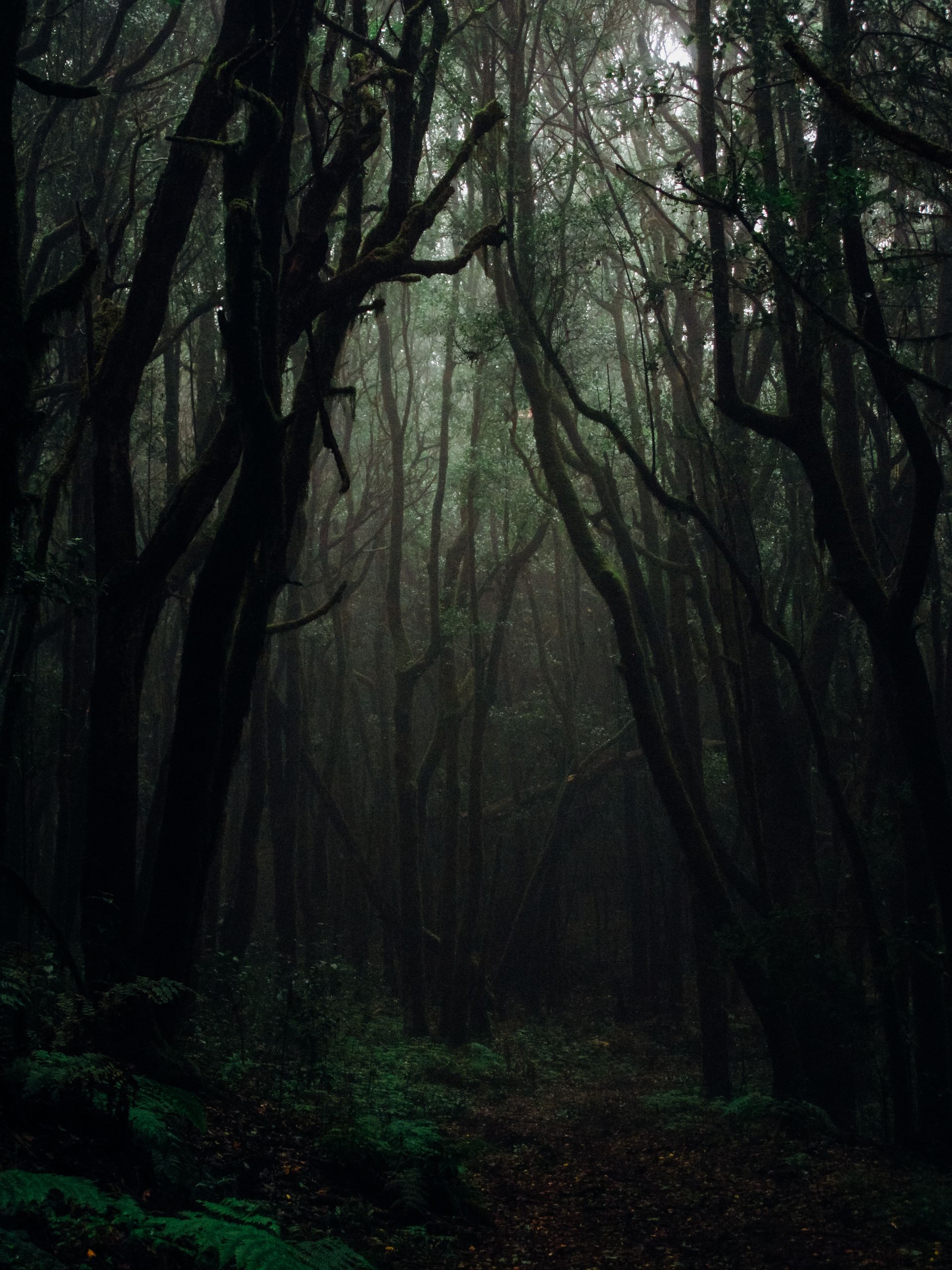
Roughly half of Europe's brown bears live in Romania, along with thousands of wolves and lynx. Not in enclosures — in the same forests our trails cross. Old-growth beech and spruce stands here were never clear-cut; some trees pre-date the discovery of America.
Walking here means reading the mountain's newspaper: fresh tracks in the mud, claw marks on a beech, the sudden quiet when the forest knows something you don't. Our guides translate. You'll learn the etiquette — how to be a guest in a place where you are not the biggest thing walking.
The culture
Shepherds were here first
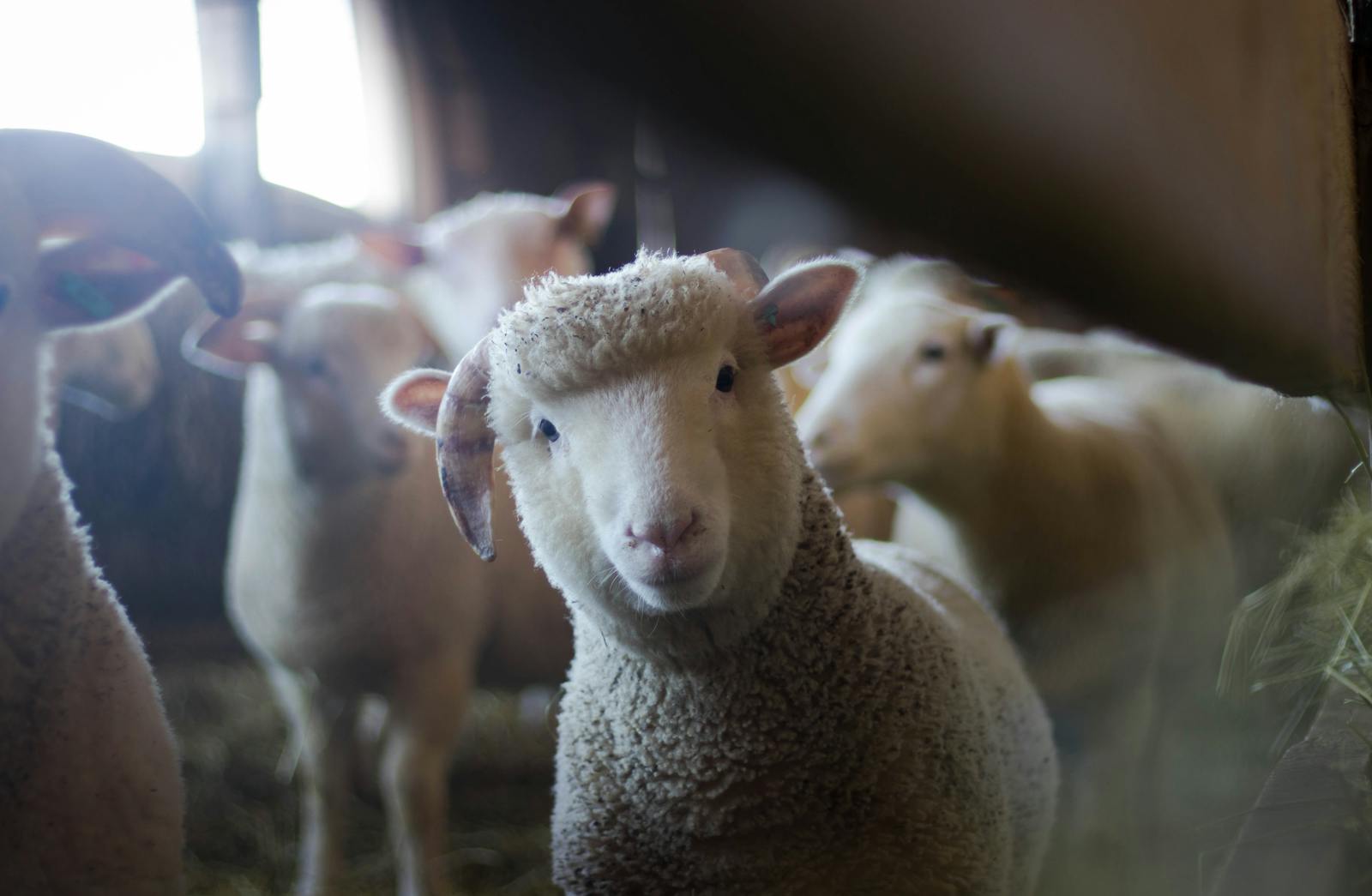
Above the treeline, the Carpathians are a working landscape. Sheep move up in May and down in September, the way they have for a thousand years. A stână — a working sheepfold — is not a museum: it's a kitchen, a dairy and a dormitory at 1 800 m, and if you arrive as a friend you will not leave hungry.
The food is the culture: bulz baked in embers, urdă still warm, cheese smoked over spruce. We don't stage it. We just know whose door to knock on.
When to come
Four different mountains
Spring
Waterfalls at full volume, meadows in first bloom, snow still on the ridge. Fewer people than any other season.
Summer
Long days, warm plateau, every trail open. The classic season — book early, we keep groups small.
Autumn
Beech forests turn copper, herds come down from the mountain, and the light gets serious. Our favourite, honestly.
Winter
The valley under snow, quiet as a held breath. Snowshoe terrain, wood fires, and stars you forgot existed.
This is the raw material. Here's what we do with it:
See the eight experiences →